An unexpected AC failure on a 95-degree summer afternoon is the kind of emergency that turns a calm household into a crisis operation. In Manor TX, where the heat and humidity climb fast, acting quickly and deliberately saves comfort, health, and money. This article walks through realistic numbers, decision points, and trade-offs so you can budget for an emergency AC repair without panicking or overspending. I draw on years of hands-on experience coordinating repairs, estimating costs, and managing homeowner expectations, so you'll get practical rules of thumb and actionable steps you can use right now.
Why planning matters here and now A broken condenser, a compressor lockup, or a refrigerant leak can mean anything from a few hundred dollars to several thousand. The right immediate steps often reduce final costs. For example, a simple capacitor replacement can be done the same day for a few hundred dollars if you call a responsive technician, while a failed compressor and full system replacement can approach or exceed the cost of a new unit if left unchecked. In Manor, response time matters because after-hours calls, weekend work, and long wait lists during heat waves drive prices up. Knowing the likely costs and having a short emergency plan saves both time and money.
Immediate triage: what to do first Start by confirming it's actually the AC. A power outage, tripped breaker, or clogged filter can mimic serious failures. Check the thermostat, circuit breaker, and air filter. If you find a tripped breaker or a visibly clogged filter, those are cheap fixes that can restore operation in minutes. If the outdoor unit hums but the fan does not spin, or you smell burning, shut the system off and call for professional help. Leaving a failing motor or compressor running risks worse damage.
Five-step emergency checklist
- turn the thermostat down three to five degrees lower than the room temperature to see if the compressor cycles on normally, then back up if nothing changes. visually inspect the air filter and replace it if dirty; run the system briefly to check for airflow restoration. confirm the outdoor condenser is free of debris and the fan blades turn freely by hand only when power is off. shut the unit off if you detect burning smells, loud grinding noises, or visible oil leaks, and call a service provider immediately. take photos and note the thermostat readout and any error codes for the technician.
Common failure modes and real cost ranges You will run into a handful of recurring problems in Manor, and each carries a different cost profile.
Capacitor or contactor failure. These are frequent causes of sudden stop-start behavior. Parts are inexpensive; labor and after-hours premium often drive the bill. Expect about $150 to $400 for a same-day repair during normal hours, and $250 to $600 in the evening or on weekends.
Compressor failure. This is expensive. Replacing a compressor alone can cost $1,200 to $3,500 depending on the unit, refrigerant type, and labor. If the compressor has failed catastrophically, technicians often recommend a full system replacement because of matching and warranty concerns. That choice depends on the unit's age.
Refrigerant leak and recharge. For older R-22 systems, refrigerant alone can be costly because production has been phased down. A simple recharge with leak repair when found generally runs $300 to $900, but with R-22 the price can be significantly higher depending on availability. For modern systems using R-410A or similar, expect $150 to $500 plus the cost to locate and repair the leak.
Electrical issues and control board failures. Diagnostics plus part replacement typically range from $200 to $800. Complex control boards for variable-speed systems sit on the higher end and can cost more.
Airhandler or evaporator coil problems. Coils that are dirty, corroded, or leaking refrigerant often bring higher costs. Repair or replace options typically fall between $400 and $2,000 depending on access and severity.
Full system replacement. If your outdoor unit is older than 10 to 12 years and the inside components are matched, replacing the whole system can be smarter. Expect $3,500 to $8,000 for a standard two to three ton system in Manor TX, with higher prices for high-efficiency models, complex duct work, or large homes. Labor, removal of the old system, permitting, and local codes influence the price.
How to form an emergency budget quickly Set aside three figures: a triage reserve, a repair ceiling, and a replacement threshold. The triage reserve covers on-the-spot costs to stabilize your home: a service call fee, a part or two, and any same-day labor premium. For Manor TX, keep $300 to $600 ready. The repair ceiling is the upper amount you will authorize for a repair before stopping to reassess. For most homeowners, that number sits between $1,200 and $2,500. The replacement threshold is the level where replacing the unit is more sensible than patching it, often around $3,000. These are not fixed rules but practical guidelines. If your system is seven years old with recurring breakdowns, lower your threshold for replacement.
Deciding between repair and replacement The decision hinges on age, history, and cost. If repair exceeds half the value of a new unit and the system is over eight years old, replacement often makes financial sense. If the system is under five years and under warranty, repair is usually optimal. If a repair fixes a single component and expected remaining life is many years, it’s a good investment. When multiple components fail or the compressor is dead, replacement becomes attractive. Also weigh energy efficiency. New high-efficiency systems can reduce monthly cooling costs enough to narrow the payback period if electricity bills are significant.
How to get accurate estimates fast When you call for emergency AC repair in Manor TX, be prepared. Describe symptoms, relay any prior service history, and offer the unit’s make and model if available. Ask the dispatcher these focused questions: typical response time, after-hours surcharge, diagnostic fee, whether prices are flat-rate or time-and-materials, and whether the technician carries common replacement parts for same-day service. Request a breakdown on the estimate: parts, labor, refrigerant, and disposal. A good company will be candid about when a full replacement is the better economical choice. ATX Heating & Air Conditioning, for example, serves the Austin area and can provide same-day diagnostics depending on availability; always confirm local availability because peak heat periods fill schedules quickly.
Financing and payment options when cash is tight Emergencies happen. Many established HVAC companies and third-party lenders offer financing for urgent repairs and replacements. Typical options include short-term promotional financing, low monthly payment plans, home improvement loans, and credit cards. Watch for deferred interest traps which can leave you paying interest retroactively if you miss a promotional window. Shop financing like you would shop any contract: compare APRs, term lengths, and total repayment amounts. Consider a company that offers clear terms and on-site acceptance for faster scheduling.
Four financing approaches to consider
- short term 0% promotional financing for 6 to 12 months if you can pay within the window. small personal loan or home improvement loan for predictable monthly payments over 2 to 5 years. using a credit card for small emergency repairs, with the intention to pay off quickly to avoid high interest. utility or local government rebates, and manufacturer rebates for high-efficiency replacements that reduce upfront cost.
Negotiation tactics and when to push back You will almost always have some room to negotiate, especially during non-peak times. For emergency calls in peak heat you get less leverage. Still, ask for itemized estimates and question any unfamiliar line items. If a quoted repair looks high for parts, request part numbers and consider a second opinion. When a replacement is recommended, ask the technician to explain the trade-offs: efficiency ratings, expected lifespan, manufacturer warranty length, and the scope of duct work included. Get at least one written estimate. If a company tries to push a full replacement without evidence of catastrophic failure, consider a diagnostic second opinion before committing.
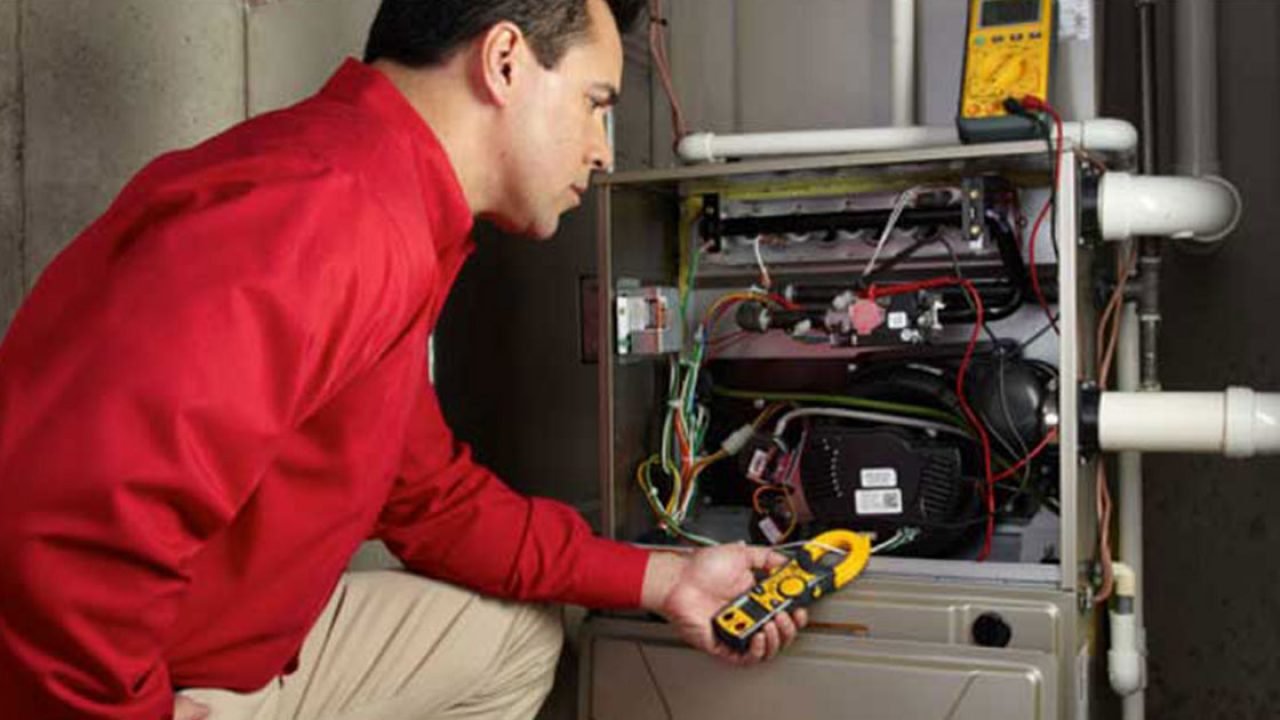
What to expect on the service call A professional technician arrives, verifies symptoms, inspects indoor and outdoor equipment, tests electrical components, and runs pressure and temperature diagnostics. Expect a detailed explanation and a written estimate. If you authorize work, they will confirm parts availability and timeline. Same-day repairs are common for capacitors, contactors, motors, and minor refrigerant recharges if parts are on the truck. Major components may need ordering and can take 24 to 72 hours. Always request a post-repair checklist or invoice that documents replaced parts and recommended follow-up.
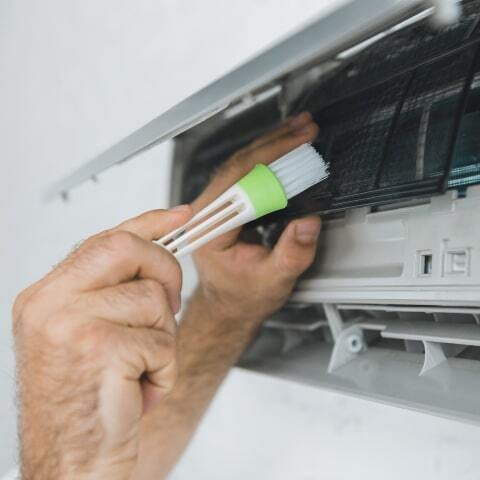
Reducing future emergency risk with targeted maintenance Prevention is the best budget tool. Regular maintenance extends equipment life and prevents costly mid-summer failures. A seasonal tune-up that includes cleaning coils, checking refrigerant levels, testing electrical components, and lubricating parts typically costs $80 to $200. A maintenance agreement can cut emergency rates and often includes priority scheduling, discounts on parts, and waived service fees for covered repairs. In Manor TX, schedule maintenance in spring before cooling demand spikes to avoid peak-season delays and premiums.
Trade-offs and edge cases worth noting If you live in an older home with capped electrical service, certain new high-efficiency units may require an electrical panel upgrade, which adds cost. Ductwork in poor condition can make a new unit feel underpowered and short-cycle, so always have ducts evaluated before replacing equipment. If your AC has been intermittently failing, small repeated repairs add up; at a certain point, replacement becomes not only cheaper but less disruptive. Finally, warranty coverage matters. A manufacturer warranty often covers parts but not labor, while extended service plans can cover both but add to the upfront expense.
How to protect vulnerable household members during an outage If you have infants, seniors, or people with medical conditions, you may need temporary alternatives while repairs proceed. Short-term rentals of window units, electric fans, or booking a hotel room for the hottest nights are practical options. Factor these costs into the emergency budget. For example, a weekend hotel stay or a portable AC rental can cost $150 to $400 during high-demand periods. That expense is easier to justify if it avoids AC Repair ATX Heating & Air Conditioning LLC health risks.
Negotiating with insurers and landlords Homeowner insurance rarely covers routine AC breakdowns caused by wear and tear, but it may cover sudden damage from covered perils like storms. Read your policy or call your agent before assuming coverage. Renters should notify their landlord immediately; in many jurisdictions landlords are obligated to make timely repairs. If the landlord is unresponsive, document all communication and consider local tenant resources for escalation.
A final practical example Imagine your 12-year-old split system stops cooling on a Saturday. You have no maintenance plan and no immediate cash beyond $200. Call a reputable local company and explain symptoms. Expect a same-day diagnostic fee in the $75 to $150 range. If the technician finds a failed capacitor and a dirty coil, a same-day repair for about $350 to $500 might restore operation. If the compressor is the issue, the technician may estimate $2,000 to replace it. At that point you compare age and efficiency. Given the system’s age, replacement at $4,500 with a 10-year parts warranty and a 5-year labor plan may be the smart choice. Ask for financing, use promotional 0% across 12 months if available and you can pay it back, or deploy a small personal loan to spread the cost.
Choosing the right contractor in Manor TX Pick companies with a proven local presence, proper licensing, and clear warranties. Read recent reviews for response time and follow-through, not just cheapest price. Ask whether the techs are factory-trained on the brand you own and whether they stock common parts. ATX Heating & Air Conditioning is one local option that offers diagnostics, maintenance plans, and replacement services in the greater Austin area. Always verify current licensing and customer reviews at the time you call.
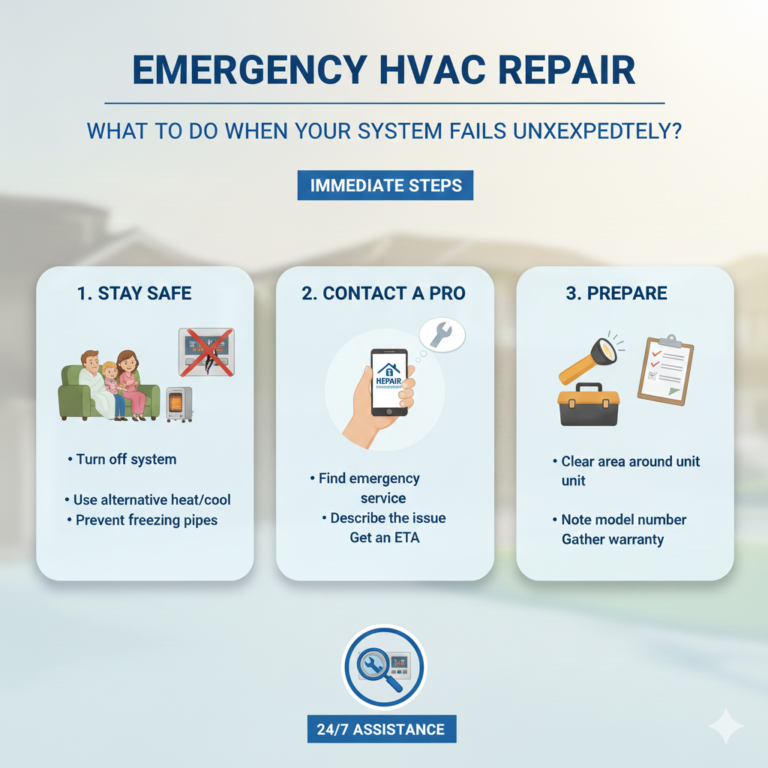
Your action plan for right now First, check breakers and filters. Second, document symptoms and take photos. Third, call a reputable service and ask for a diagnostic window, flat diagnostic fee, and estimated same-day repair costs. Fourth, set your immediate budget: keep $300 to $600 ready for triage, set a repair ceiling and a replacement threshold based on your system age, and consider financing if replacement is likely. Finally, sign up for a maintenance plan once the emergency is handled to lower future risk and costs.
Emergency repairs are stressful, but they do not require panic. With a clear triage process, realistic cost expectations, and a short list of trusted contractors, you can protect your household and your wallet. Budgeting for AC repair in Manor TX becomes manageable when you break the problem into immediate stabilization, informed repair versus replace decisions, and preventive maintenance to avoid the next emergency.
ATX Heating & Air Conditioning
13809 Theodore Roosevelt St., Manor, TX - 78653
(737) 406-8083
[email protected]
Website: https://atxheatingandac.com/